

If you're making your first corset, you may be wondering why experienced corset makers talk about coutil so often. (click the underlined words in this post and see the products available).
After all, there are countless beautiful fabrics available at your local fabric store. Why not simply choose your favourite?
The answer comes down to strength, stability and durability.
What Is Coutil?
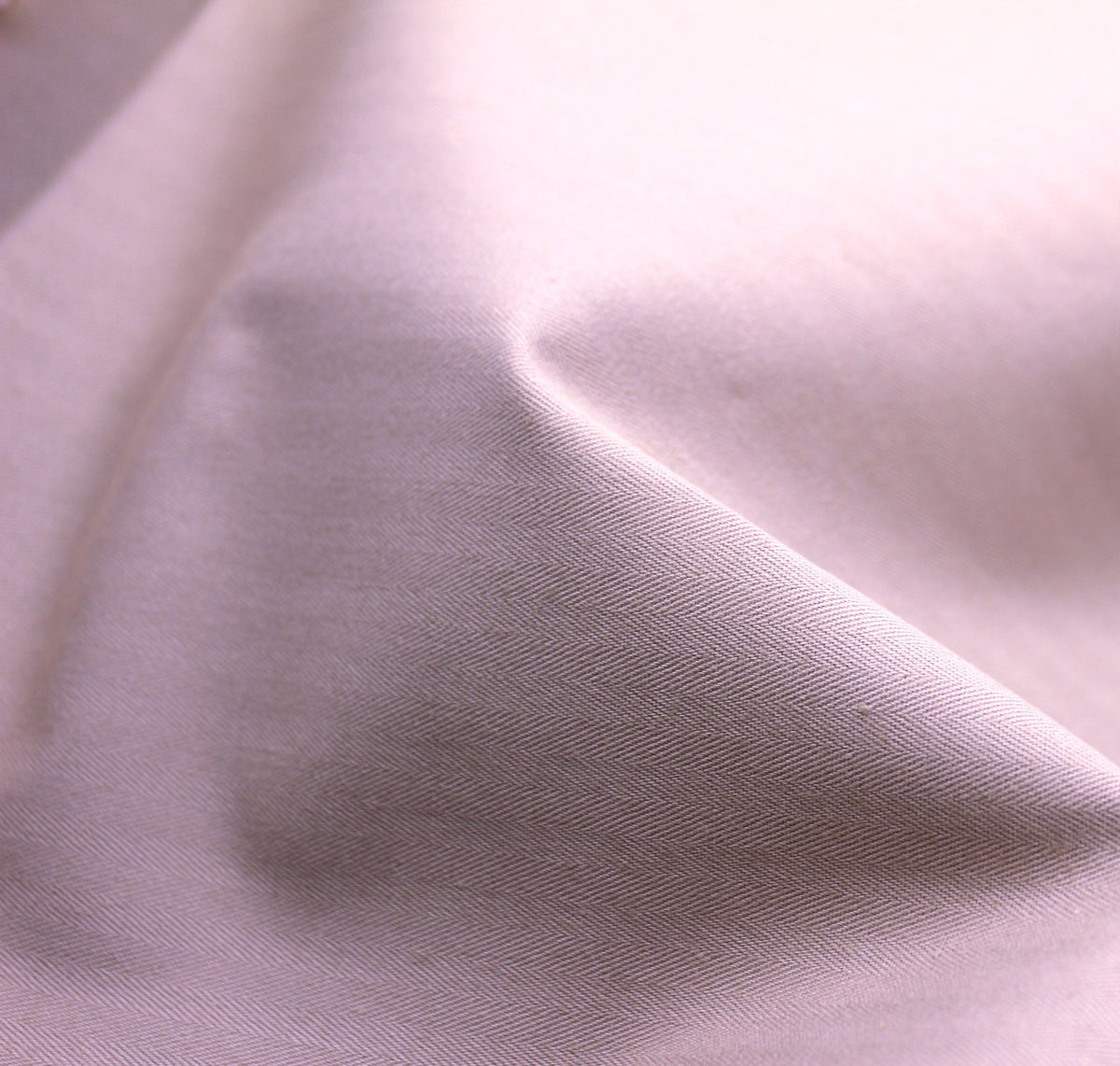
Coutil is a fabric specifically associated with corsetry. It is woven to provide the strength and stability required for a structured garment. The coutil that Farthingales sells are made by the same company that was making it in the mid 1800’s. Classic coutil is a very fine, tightly woven herringbone weave. There have been some brocade coutil fabrics, but they are no longer being manufactured as of 2024. Coutil is the foundation fabric – you can always use a fashion fabric for the outer layer. The fine herringbone weave of coutil limits the fabrics ability to stretch which means the garment/corset will hold its shape despite the stress on it when it’s tightened on the body. The fine herringbone weave also means the fabric is less likely to allow corset bones to work holes into the top or bottom of the corset.
A corset places considerable demands on fabric because a corset typically gets tightened to make the body of the wearer smaller or conforms the body into a different shape.
That's why choosing the right fabric matters.
Farthingales currently offers herringbone coutil in several colours and widths, including beige, white, black and champagne. We also offer a "light coutil" in a multitude of colours...but it is light, so not for heavy wear. The herringbone weave is much more visible as this fabric is not tightly woven, so it is more inclined to stretch and is not as durable. Despite these facts it has been really popular.
Can You Use Other Fabric?
Yes, BUT only as the out layer. Fashion fabric is not strong enough to use is corset making as the seams will split when the corset is tightened on the body – maybe not the first time but certainly over time.
Unsure how to make a corset with both fashion fabric and coutil? Check out our books.
That gives you the best of both worlds:
Strength underneath. Fashion on top.
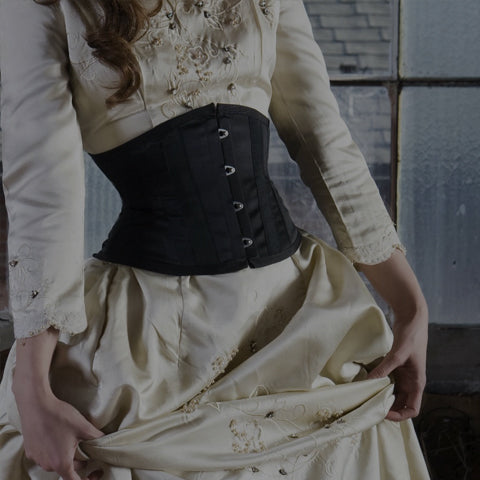
For example, a dramatic brocade, satin or printed fabric can become the visible exterior while coutil provides the structural foundation. In this example I used a selection of fabrics and trims, but the foundation is black coutil. The corset can look however you want.
What Makes a Good Corset Fabric?
Ask yourself:
Is it strong?
Your fabric needs to withstand the forces created by lacing the corset tightly on the body. Typically, a basket weave fabric is not that strong, but some “duck” fabric can work. However, because the fabric is pulled tightly against your body – limited texture is preferred as texture can get itchy. This is why the fine herringbone weave of coutil, which is very smooth, works so well. Duck fabric can be too textured to be comfortable. Seams are less likely to split when the fabric is a herringbone weave, where basket weave fabrics can split more easily due to the structure of the fabric.
Is it stable?
Stretch can happen even with a woven fabric that has no stretch fibre in it. Stretching is not something you want for your corset since it’s supposed to reshape your body. Basket weave fabrics can stretch, fine tight herringbone is much less inclined to stretch – the finer the herringbone weave, the less likely there will be stretching.
Is it durable?
Coutil is used by theatre costume shops – not just for corsets but for the foundation of bodices and even doublets. Why? Because it is seriously durable. When you use coutil, the garment will last for a hundred performances and more. All the while keeping the garments shape and securing the bones in place.
How do the coutil at Farthingales compare?
Farthingales gets coutil from 3 different manufacturers. There was a 4th but they have now closed and one of the 3 has now stopped production of brocade coutil - which were beautiful and incredibly durable. All three manufacturers make "herringbone coutil" in slightly different qualities. If you are new to sewing or to corset making you may want to start with the least costly coutil - not just because of price, but because it's easy to work with as it handles much like other fabrics. We call this coutil "Light Coutil", still a herringbone weave it is soft and easy to work with and comes in several colours. It is not a good choice for theatrical corsets that sea a lot of wear. Find out more about this coutil in our blog post "Soft Coutil for Corset Making"
The other two qualities of herringbone coutil are stronger and stiffer - therefore a bit more a of a challenge work with - especially if you are new to sewing or corset making. Corsets tend to be curvy and sewing curvy shapes with stiff fabric takes some practice. The 56"coutil has a SKU starting with 74- and has been the mainstay coutil for Farthingales since the business started over 25 years ago. It's a very, very fine herring bone weave - so fine some people find it hard to see. Incredibly durable this is the choice of most theatres and many custom corset makers. The 62" has a wider herringbone weave and is also a customer favorite, being a bit softer it's a bit easier to use, but still provides durability.
See all of our coutil options
Start With the Foundation
The most beautiful fabric in the world won't compensate for a weak foundation. You’ll waste your time and money if you don’t have a good foundation fabric. Imagine spending hours making a corset only to have the seams start to split when you’re wearing it, or having the bones come poking out the top or bottom of the corset. It has happened; I’ve heard the stories.
Start with the right fabric, it may look plain and ordinary, but you can dress it up, select the correct boning and hardware, and then let your creativity take over.
Explore Farthingales' collection of coutil and corset fabrics.

Blue herringbone coutil corset - while this colour is no longer available, you can see how coutil can be "dressed up".
The Complete Corset Materials List
A successful corset isn't just coutil.
Depending on your project, you may need:
- Coutil
- Spring steel bones
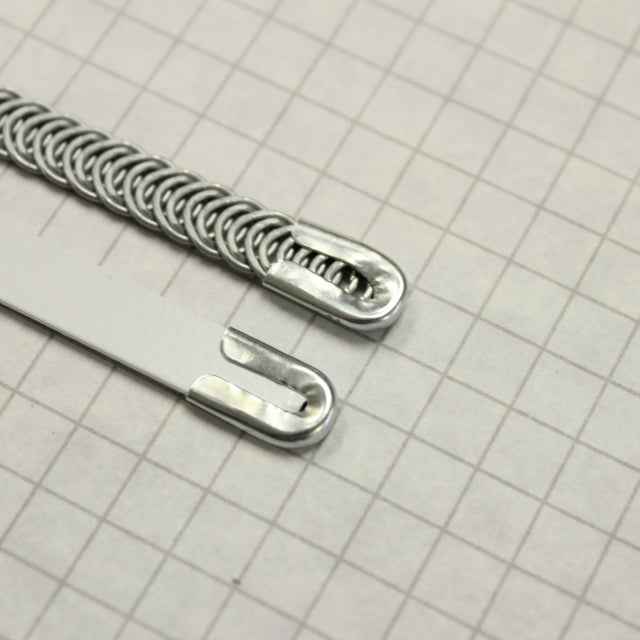
- Spiral steel bones
- Synthetic Whalebone
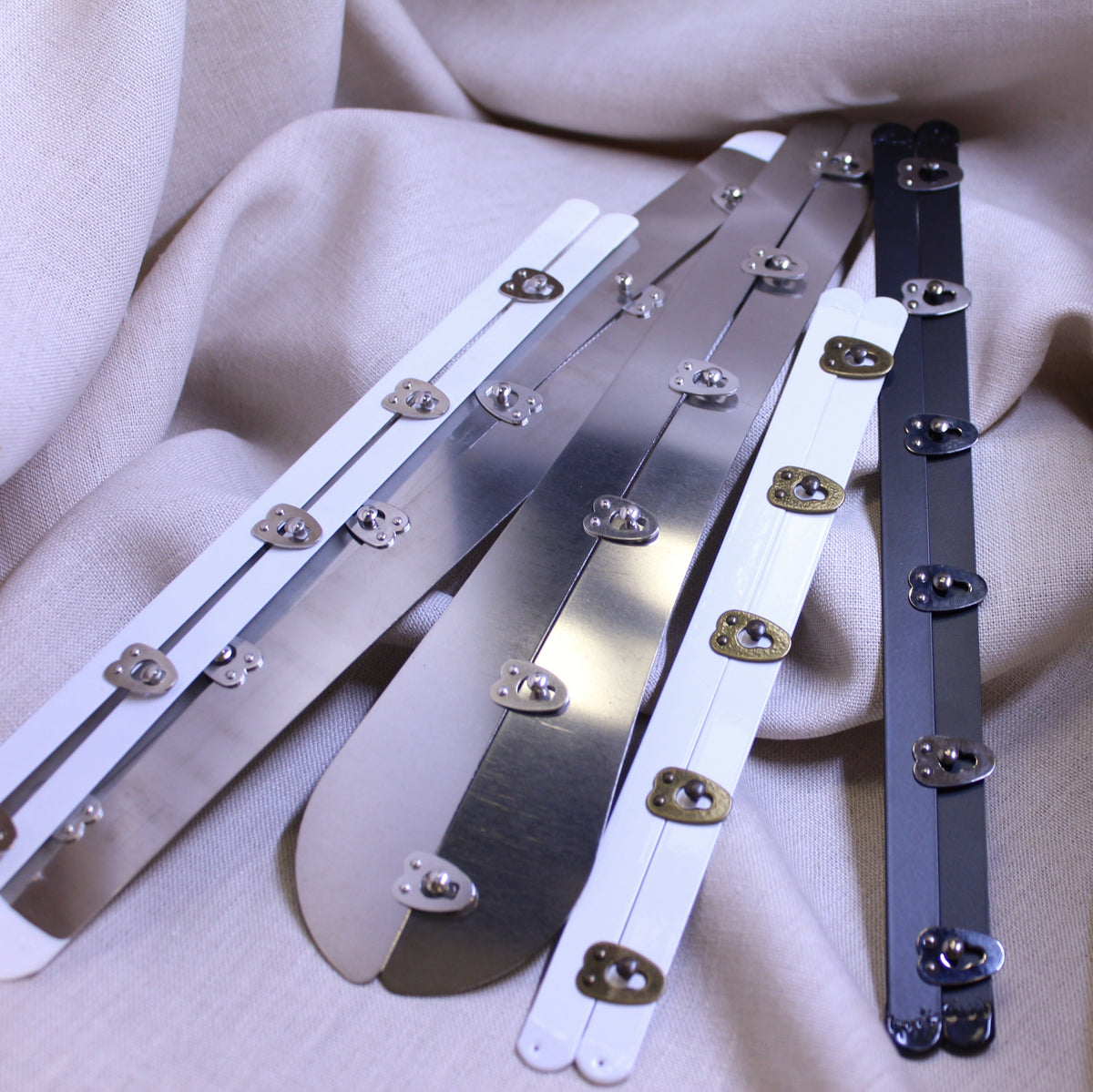
- A busk
- Bone casing tape
- Grommets
- Lacing
- Lacing tape
- Bias Binding or Petersham ribbon
Farthingales offers these components individually, making it possible to build a project around the specific pattern you're using.

Leave a comment
All comments are moderated before being published.
This site is protected by hCaptcha and the hCaptcha Privacy Policy and Terms of Service apply.